

Contexts of Emergency
This research cluster situates the study of emergency within the historical contexts that shaped the enactment of emergency legislation. It places the experience of emergency at the heart of our understanding of constitutional law. To do so, we employ legal-historical methods such as archival research, contextual interpretation, and digital tools—including semantic analysis and distant reading. These approaches are applied to a curated corpus of archival materials related to emergency declarations, including parliamentary debates, government records, and decisions by public authorities. By combining traditional and digital methodologies, this cluster aims to uncover how emergency was constructed, debated, and implemented across different legal and political settings.

Laws of Emergency
Under this heading one situates not just the study of legal rules, but also the intellectual processes of rationalisation of emergency measures and their legal justification. This stream is seeking to unearth the common core of European emergency in public law, by focusing on existing similarities and differences within constitutional and public law across historical legal contexts. It thus draws on comparative law theory and comparative legal history, aiming to seize through contextual analysis the distinctive features of a European common history of emergency.
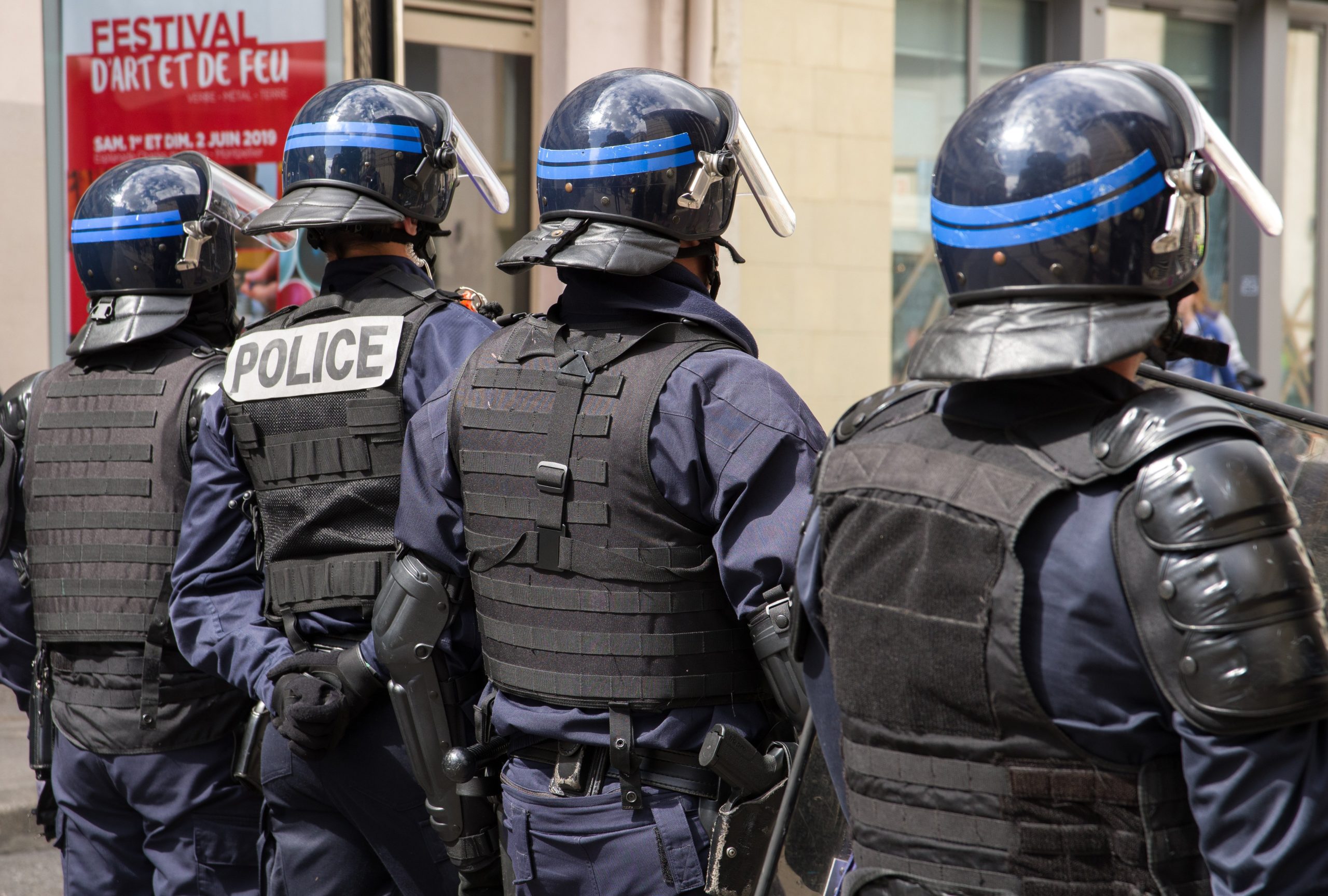
Actors of Emergency
Within this stream there is a focus on the operation of emergency and its impact on actors (individuals affected by emergency) and institutions, with a particular focus on judicial independence. Judicial independence is a useful indicator of the dynamics engendered by emergency in either corroding legal protections of individuals or enhancing the competencies and jurisdiction of state authorities. This stream will approach the socio-legal life of emergency, drawing on law in action methodology and will reconstruct ‘prototypical cases’, giving rise of a thick, ethnographic-like description of the historical moments analysed.