
People
Main Research Team
Based at the Ghent Legal History Institute at Ghent University, the EMERGE team brings together a diverse and dynamic group of scholars at different career stages to study the concept and practices of emergency across Europe over the past century.
Committed to the project’s research agenda, the team explores emergency as a complex legal and institutional phenomenon that shaped national constitutional orders, operated across transnational frameworks and left a lasting imprint over constitutional and political cultures.
Through archival and foundational research, the EMERGE works towards developing a new concept of emergency—one that reflects the plural and layered history of legal and material practices in 20th-century Europe.
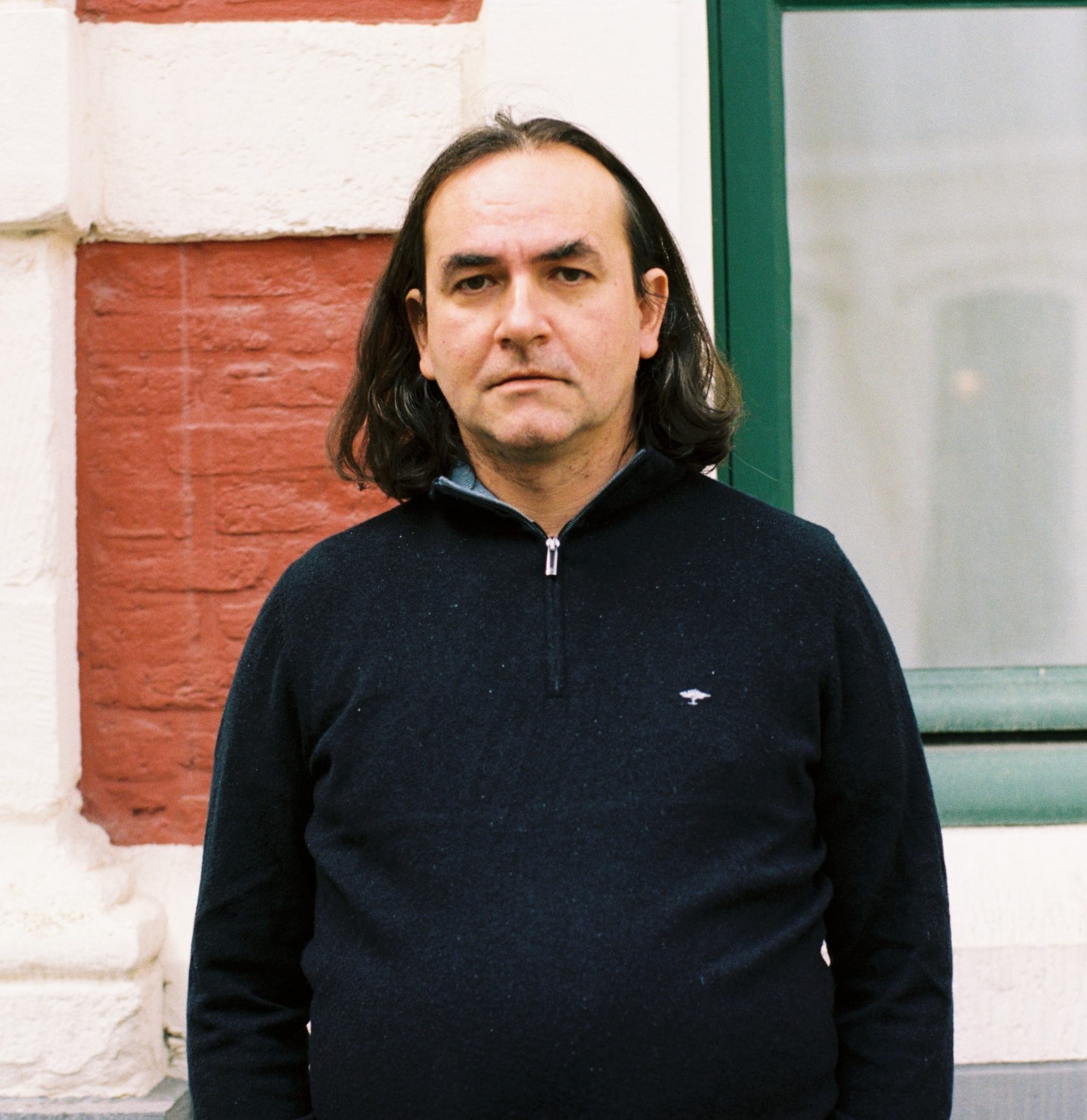
Prof. dr Cosmin Cercel
Prof. dr Cosmin Cercel is Professor (Hoogleraar) of Comparative Legal History at the University of Ghent, where he leads the ERC CoG project EMERGE. His research focuses on genealogies of law and politics with specific reference to twentieth-century continental legal history.
He is the author of Towards a Jurisprudence of State-Communism: Law and the Failure of Revolution (Routledge 2018), and has co-edited States of Exception: Law, History, Theory (Routledge 2020). He is also the co-editor of Law, Populism, and the Political in Central and Eastern Europe (Routledge 2023) and Law, Culture and Identity in Central and Eastern Europe A Comparative Engagement (Routledge 2023).
His other recent publications include: ‘Darker Legacies Of Anti-corruption: Fascist Criticisms of the Law in Inter-war Romania’ (2024) International Journal of Law in Context (CUP FirstView); ‘Fascist Claims to Sovereign Power: Law, Politics and the Romanian Legionary Movement’ (2023) 33 (4) Contemporary European History 1273 and ‘Law, Politics, and the Military: Towards a Theory of Authoritarian Adjudication’ (2021) 22 German Law Journal 192.
Dr Anna Piekarska
Anna Piekarska obtained her PhD with distinction in legal philosophy at the Philosophy Department of Adam Mickiewicz University in Poznań. The thesis focused on the tension between historicity and universality of the rule of law ideal. Her current research focuses on the relations between historical, socio-political, economic context and the law. Beyond research, she is a translator to Polish of books and articles in the fields of Marxist theory and heterodox economics. She is part of Nomos Research Centre and co-editor of scientific journals “Exceptions” and “Praktyka Teoretyczna.”
Within the project, she is responsible for developing the theoretical framework, conscious of the historical findings of the team and deepening the understanding of the state of emergency beyond established paradigm. Of particular interest to her is the impact of the state of emergency on subjectivity, society and the State. She works within the traditions of dialectics and historical materialism adapted to the challenges of legal history.

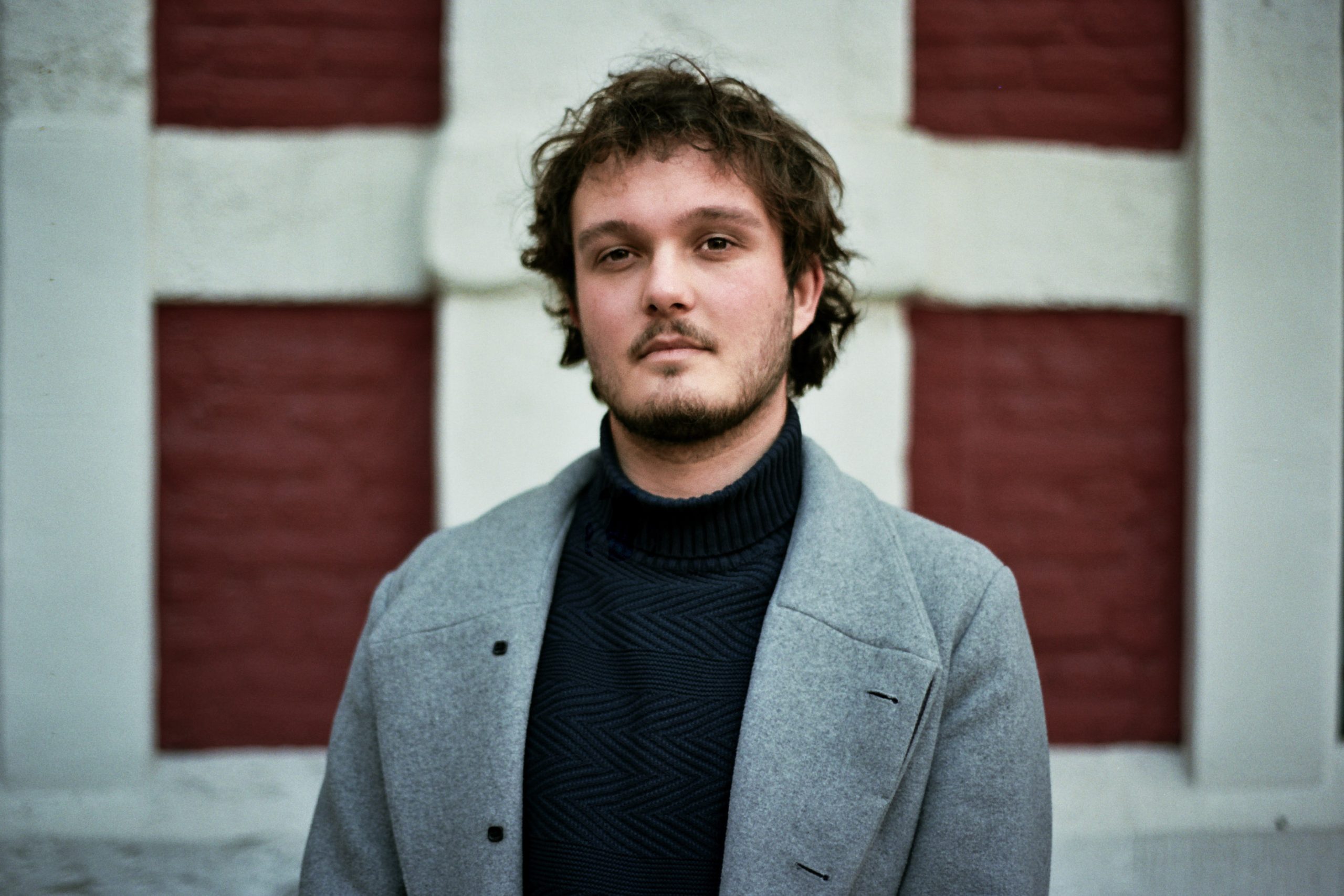
Louis Marius Bremond
Louis Marius Bremond holds a Master’s degree in Law (Aix-Marseille University), in European and International Law (Paris 1 Panthéon-Sorbonne University) and in Political Science and European Studies (College of Europe). During his studies, he specialised in WTO Law, Administrative Law and Constitutional Law as well as in Political History of Europe.
As part of EMERGE, he is researching the advent of exceptional emergency regimes in France and their evolution since the 20th century. He particularly focuses on these regimes from the different lenses of the judiciary, the executive and the military powers, and their impacts on the different crises that occured in the 20th and 21th century France.
He is also interested in the praticality of the crises management by the different actors of the State.
Elias Roberto Dessantis
Elias Roberto Dessantis holds a Master’s degree in Criminological Sciences (Ghent University). During his studies, he specialised in (organised) crime in conflict zones, (military) police and historical criminology.
As part of EMERGE, he is researching the development of exceptional emergency regimes in Belgian history. He is covering topics such as the two world wars, the interwar period, the Belgian royal crisis, the terror of the 1980s, and more. He uses methodologies from the fields of law, history and social sciences.
In addition to Belgian case studies, he is interested in the use of exceptional emergency regimes in Hispanic countries.

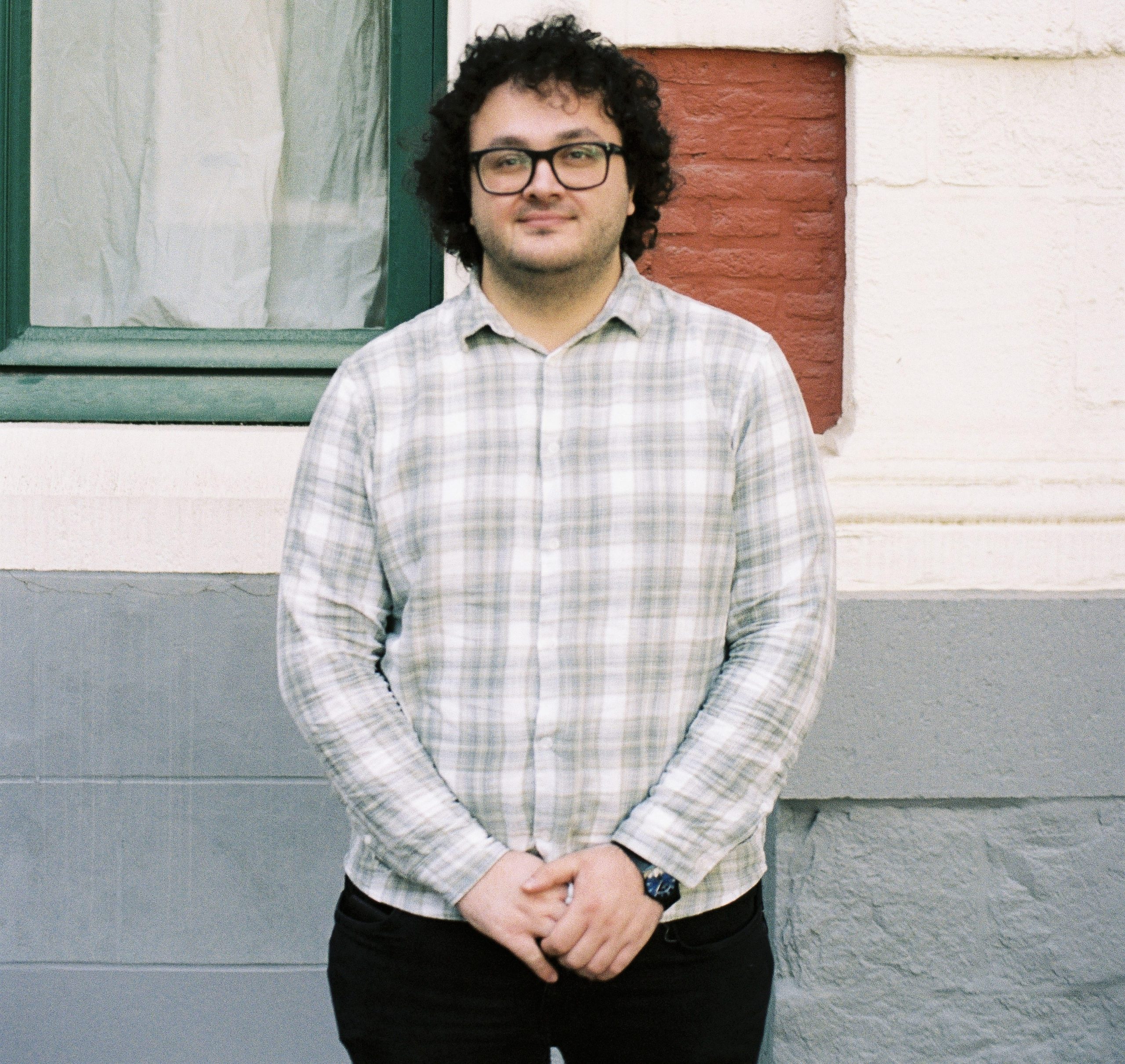
Mihai-Claudiu Dragomirescu
Mihai Dragomirescu has a master’s degree in law from Kobe University, where he was a recipient of the Japanese government research scholarship (MEXT). During his studies, his primary interest lay in public international law, with focus in the laws of armed conflict, human rights law and outer space law. He has also worked as a legal counsel for an organization supporting refugees and asylum seekers in Romania.
Within the EMERGE project, he is working on producing a history of emergency measures in XXth century Romania (without ignoring their mid-XIXth century origin), taking into account the international context and the interaction between supranational legislation and domestic practices.
He is particularly interested in the military-administrative aspect of the application of emergency measures.
A. James Hannaford
James Hannaford read for a Master of Laws specialising in Human Rights Law and for a Master of Arts in Arts and Heritage at Maastricht University. During his studies, he focused on the intersection of law and culture, cultural rights and non-discrimination law.
Since joining the EMERGE project, his research has considered the utilisation of emergency powers in 20th century Northern Ireland and the implications for political and cultural rights. His work is grounded in several key themes, including, among others, the proscription of political organisations, the political and cultural rights of prisoners, and the utilisation of city planning as a response to the conflict. This is possible through the utilisation of a framing that has been heavily shaped by his previous background in cultural studies and borrows from philosophy, sociology and law.


Grigorij Tschernjawskyj
Grigorij Tschernjawskyj studied Law as well as Political and Social Sciences at Goethe University in Frankfurt am Main, where he obtained the First State Examination in Law (Dipl.-Jur.). During his studies, he joined the Max Planck Institute for Legal History and Legal Theory, where he specialised in Comparative Law, Legal History, and Legal Iconography.
As part of EMERGE, he focuses on the contrast between legal, political, and artistic representations of emergency across different regimes in twentieth-century Germany, namely Imperial Germany (1914), the Weimar Republic (1923 and 1933), East Germany (1953), and West Germany (1968).
In addition, he is interested in the societal impact of emergency powers within authoritarian and totalitarian systems.